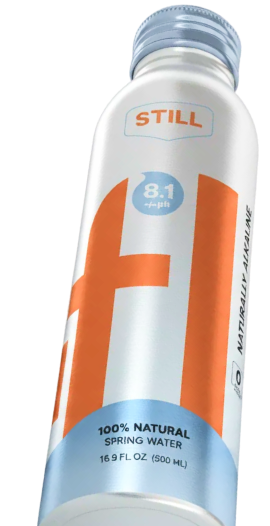
So you’ve probably noticed every other water brand these days claims to be alkaline. They plaster the pH number right on the label like it’s some kind of badge of honor. But here’s what a lot of people miss: there’s a massive difference between water that naturally became alkaline and water that got turned alkaline in a factory.
Real spring water gets its alkalinity from spending decades underground. Rainwater seeps down through limestone and mineral rich rock, slowly picking up bicarbonate, calcium, and magnesium along the way. This isn’t a quick process. We’re talking years of natural filtration that gradually raises the pH without anyone touching it. By the time the water surfaces at a spring, it’s already balanced. No chemicals added. No machines involved. Just geology doing its thing.
That’s why naturally alkaline spring water tastes different from the artificially enhanced stuff. The minerals aren’t just floating around randomly. They’re part of how the water formed. You can taste the smoothness, that clean finish. It’s something you just can’t fake by dumping minerals into purified water after the fact.
Most bottled water you see at the store starts as tap water or some other municipal source. Then it goes through reverse osmosis or distillation, which basically strips out everything. Minerals, flavor, character. Gone. What you’re left with is pure H2O that tastes like absolutely nothing.
After that, companies add stuff back in. A pinch of calcium here, some magnesium there, maybe run it through an ionizer to bump up the pH. The goal is to hit certain numbers on paper and make it taste decent. Does it work? Kind of. But it’s fundamentally different from water that achieved its pH naturally over years underground.
Is processed water safe to drink? Absolutely. Does it meet all the safety standards? Of course. But safe and natural aren’t the same thing. When you strip water down to nothing and rebuild it in a lab, you’re changing it at a molecular level. The mineral balance is manufactured, not organic. Your body can usually tell the difference, even if you’re not totally sure why one water just feels better than another.
Here’s the thing about pH that nobody really talks about: the number alone doesn’t tell you much. Yeah, you can artificially crank water up to pH 9 or even higher, but if the mineral balance is wrong, it’s going to taste weird. Some artificially alkaline waters have this slippery, almost soapy feel. Others taste flat or metallic. That happens when the pH gets forced instead of developing naturally.
Naturally alkaline spring water usually sits somewhere around pH 8 to 8.5, depending on the source. It gets there slowly as minerals dissolve into the water over time. The result is a balanced profile where everything works together. Calcium, magnesium, bicarbonate, trace minerals. They’re all in proportions that nature figured out, which is why the water tastes clean and smooth instead of engineered.
This really matters when you’re drinking water all day long. Water with natural mineral balance is easier to drink. It doesn’t sit heavy. It hydrates better because your body recognizes the mineral content and knows what to do with it. Processed water with added minerals? Your body has to work harder to process that.
People are getting pickier about what goes into their bodies. They read labels. They ask where things come from. The same folks buying organic produce or grass fed meat are now applying that thinking to water. Where was it sourced? How was it processed? What’s been added to it?
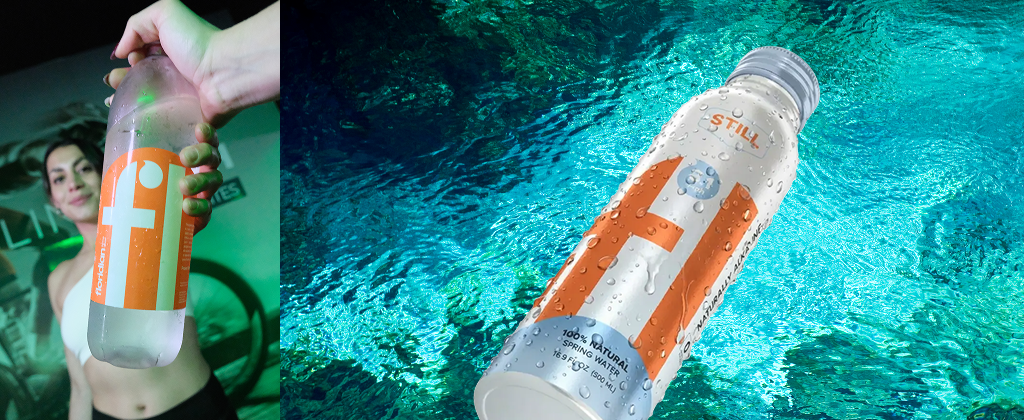
Unprocessed spring water answers those questions pretty simply. It came from a spring. Nature filtered it through rock for decades. Nothing was stripped out or added back in. For people who value transparency and minimal processing, that’s appealing. You’re not drinking something that was engineered in a treatment facility. You’re drinking water that was shaped by geology.
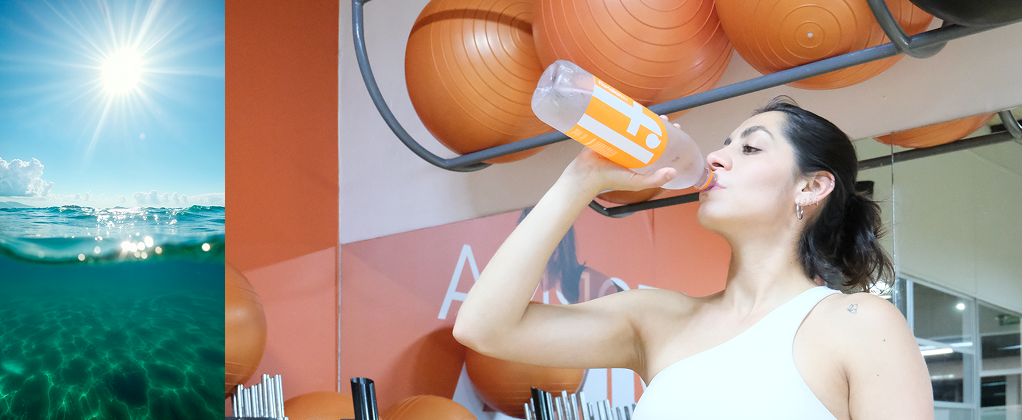
There’s also the practical side. If you work out regularly, spend time outside, or just care about wellness, you want hydration that actually supports what your body’s doing. Naturally alkaline spring water with a balanced mineral profile does that better than stripped down, rebuilt water. It’s not some miracle cure. It’s just better chemistry that makes sense.
Not all spring water is created equal, though. Some brands bottle from springs that barely qualify. Others truck water long distances before bottling, which kind of defeats the whole purpose of choosing spring water in the first place.
Look for water that’s bottled at or near the source. Check where the spring actually is. Read the label for info about natural pH and mineral content. If a company’s open about their source and process, that’s usually a good sign. If they’re vague or just throwing around marketing buzzwords without real details, keep looking.
Local sourcing matters too. Spring water from your region hasn’t traveled thousands of miles to get to you. It’s fresher, the carbon footprint’s smaller, and you’re supporting local businesses instead of massive corporations. For Floridians, that means looking for water from Florida springs, which honestly are some of the best in the country anyway.
If you’ve been drinking processed or purified water and you’re curious about naturally alkaline spring water, the difference is pretty obvious once you try it. Most people notice the taste immediately. Then after a few weeks, they realize they’re actually drinking more water because it doesn’t feel like a chore. After that, going back to their old brand feels wrong. You notice how flat or processed it tastes.