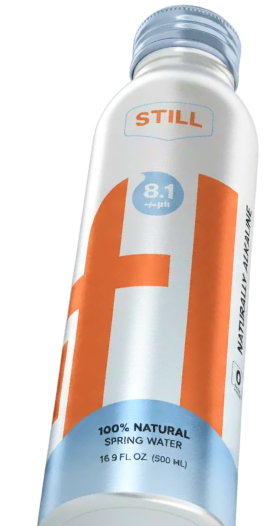
Naturally alkaline water and artificially enhanced water are not the same thing, even when the pH numbers on the label look identical. Natural alkalinity develops through geological filtration over decades, producing water with a balanced mineral profile and a smooth taste that comes from the earth. Artificial alkalinity is added to water that has already been stripped through industrial processing. This article breaks down what that difference means in practice and why it matters for the water you drink every day.
Naturally alkaline water develops through a slow, natural process underground. As spring water moves through layers of limestone and mineral-rich rock, it absorbs bicarbonate and other naturally occurring minerals that raise its pH level. This process happens over long periods of time and requires no human intervention.
Because natural alkalinity is shaped entirely by geology, the water retains a balanced mineral profile and a smooth taste. The pH level reflects the environment the water comes from rather than a formula applied after the fact. That consistency is one of the things that makes genuinely spring-sourced water worth seeking out.
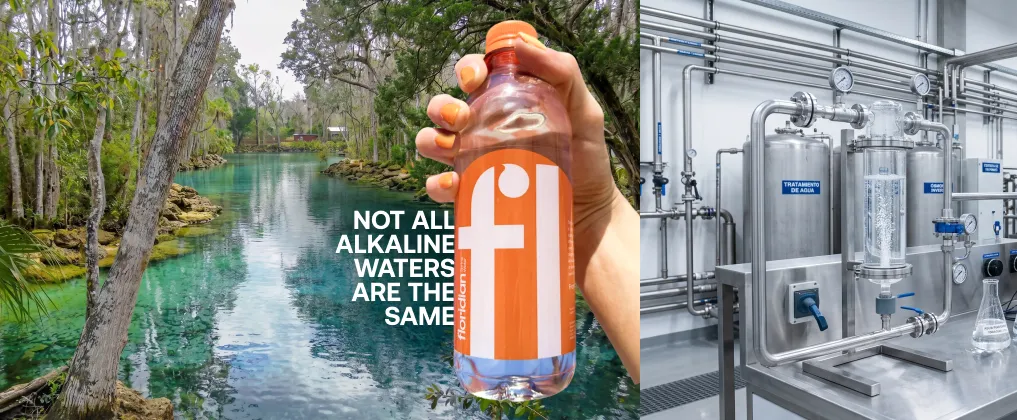
Artificially enhanced water typically starts as purified or municipal water. During processing, minerals are removed and the water is stripped down to a neutral base. Afterward, minerals or alkaline agents are added back in to change taste or raise pH levels.
While enhanced water may reach a desired pH number, it does not replicate the natural structure of spring water. Added minerals are often isolated compounds rather than part of a naturally balanced system. The water got to 8.5 or 9 on the pH scale in a few minutes through a machine rather than through decades underground. That is a different journey, and it produces a different product.
| Characteristic | Naturally Alkaline Spring Water | Artificially Enhanced Water |
| pH Source | Geological filtration over decades | Ionizer or mineral additives |
| Mineral Balance | Naturally integrated from aquifer | Added back after purification |
| Processing | Minimal, bottled near source | Heavy industrial treatment |
| Taste | Smooth, clean, no aftertaste | Can taste flat or slightly soapy |
| Transparency | Named source, verifiable origin | Often vague or generic sourcing |
Taste is one of the most noticeable differences between naturally alkaline spring water and artificially enhanced water. Naturally alkaline spring water often has a smoother, cleaner mouthfeel due to its balanced mineral composition. This balance develops naturally and remains consistent over time because the source does not change.
Enhanced water can vary in taste depending on the additives used. Some products taste sharp or flat, especially if minerals are added solely to adjust pH rather than create balance. A few heavily alkaline bottled waters have a slippery or slightly soapy feel, which comes from forcing the alkalinity rather than developing it. Beyond taste, mineral balance influences how water supports hydration, and naturally alkaline spring water tends to do that work more effectively.
As awareness around water quality grows, more consumers are paying attention to sourcing and processing. Naturally alkaline spring water appeals to people who want hydration that comes directly from nature without chemical enhancement. The logic is the same logic they apply to food: minimal processing, known source, nothing added that does not belong there.
This preference reflects a broader shift toward clean labels, transparency, and natural wellness. Choosing naturally alkaline spring water allows consumers to enjoy balanced hydration while staying connected to the source and simplicity of the water they drink. When a brand can tell you exactly where the water came from and show you the mineral numbers, that transparency is worth something.
The difference between naturally alkaline water and artificially enhanced water comes down to origin, processing, and balance. Naturally alkaline spring water develops its pH and mineral profile through nature, not manufacturing.
For those seeking clean hydration with natural mineral balance and smooth taste, naturally alkaline spring water offers a clear advantage. To learn more about naturally alkaline spring water or explore delivery options, connect with a local team that values purity and transparency. There is no pressure or obligation, just helpful information about better hydration.