It’s in the cooler at your gym. It’s stacked six rows high at Publix. It’s riding shotgun in the boat on a Saturday run out to the flats. “Alkaline water” is everywhere in Florida right now, and yet, if you stopped ten people in the checkout line and asked them what it actually is, you’d probably get ten different half-answers. Something about pH. Something about minerals. Something a guy at the gym said once.
Here’s the truth: most brands don’t want to explain it clearly, because the real explanation isn’t nearly as flashy as the marketing. So let’s fix that. This is a straight, jargon-free breakdown of what is alkaline water, how it’s made, and why the difference between a lab trick and a natural source matters more than any number on a label.
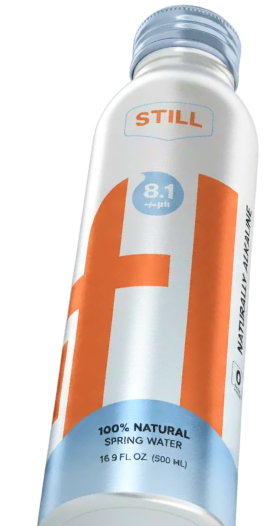
We’re not here to sell you magic. We’re here to give you the science, cut through the hype, and show you the difference between alkaline water engineered in a factory and alkaline water that comes straight out of the Florida ground already balanced, like Floridian’s 8.1 pH spring water from the Heatherwood Spring in Crystal River. Clean. Pure. Sourced, not synthesized. Unfiltered, in every sense of the word.
Let’s start with the straight answer.
Alkaline water is simply water with a pH above 7, the neutral midpoint on the 0–14 pH scale, which means it’s less acidic than typical tap or bottled water. Most alkaline waters land somewhere between 8 and 9 on that scale. But here’s the nuance most labels skip: pH alone doesn’t tell you the whole story. True alkalinity also depends on dissolved minerals, like calcium and magnesium, that buffer and stabilize the water’s chemistry, not just a single number stamped on a bottle.
So what does alkaline water do, chemically speaking? It can get that elevated pH two different ways: naturally, by filtering slowly through mineral-rich rock like Florida’s limestone aquifers, or artificially, through ionizing machines or added alkaline chemicals. Both can land on the same number on a pH strip. They are not the same water. Mayo Clinic confirms the basic pH 8–9 range that defines most commercial alkaline waters, and as Healthline points out, pH by itself is an incomplete picture without accounting for mineral content. Keep that distinction in your back pocket, it’s the whole ballgame.
Now that you’ve got the plain-English definition, let’s talk about what that pH number actually means on the scale, because “8.1” means nothing without context.
Think back to high school chemistry for exactly one second, then forget everything except this: the pH scale runs from 0 to 14. Seven sits dead in the middle and is considered neutral. Anything below 7 is acidic. Anything above 7 is alkaline, also called basic. That’s the entire concept, no beakers required. The U.S. Geological Survey lays this out as plainly as any source on the internet, and it’s worth trusting because, unlike a beverage company, the USGS has zero incentive to spin the numbers.
Here’s the part most people miss, though: pH is logarithmic, not linear. That means each whole-number step on the scale represents a tenfold change in acidity or alkalinity. A jump from pH 7 to pH 8 isn’t a small, cosmetic shift, it’s a genuinely significant change in the water’s chemical character. Going from pH 8 to pH 9 is another tenfold leap on top of that. So when a brand brags about hitting a sky-high pH of 10 or 11, you’re not looking at “a little more” alkaline water, you’re looking at an order of magnitude more, which, chemically, can mean something very different is happening to produce it.
To make this real, picture where everyday things fall on that same scale, using reference points from the USGS pH scale diagram:
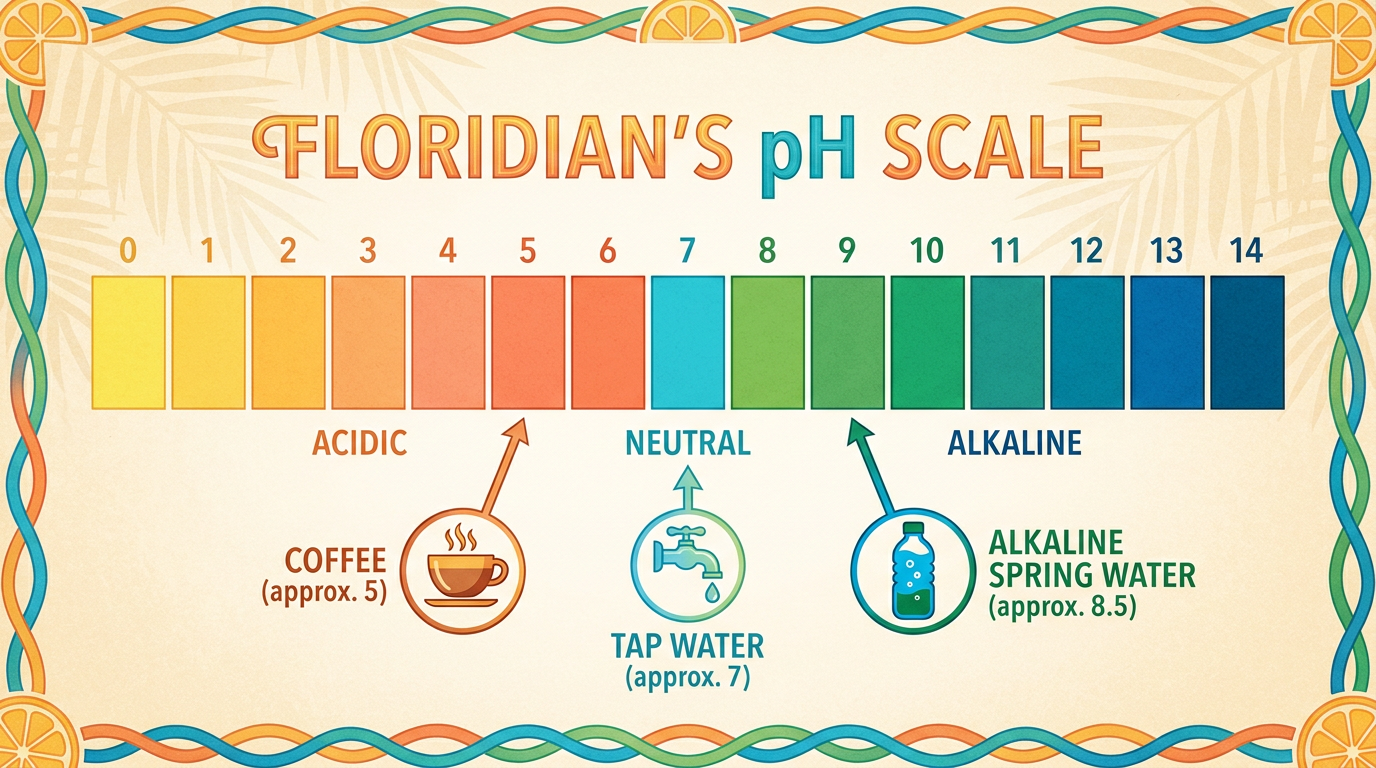
So is alkaline water good for you simply because it’s higher on that scale? Not automatically. The honest answer is that pH is one piece of a larger puzzle, not a magic number you chase on a shelf. Taste, mineral balance, and how the water was actually produced all matter just as much as where the needle lands on a test strip. Healthline’s breakdown of drinking water pH reinforces this same point: the number is context, not a verdict. A clean, naturally balanced 8.1 tells you something very different than an artificially spiked 9.5, even though both technically qualify as “alkaline.”
With the scale demystified, it’s time to tackle the distinction that actually separates the marketing noise from the real story: how water becomes alkaline in the first place.
This is the part nobody puts on the label, and it’s the part that matters most. There are two fundamentally different ways water ends up alkaline, and they are not remotely the same process.
Artificial alkalization happens in one of two ways. Either an ionizing machine runs an electrical current through water, splitting it via electrolysis into an acidic stream and an alkaline stream, essentially manufacturing a higher pH on demand, or a brand adds alkaline mineral drops, powders, or salts directly into the water after the fact to nudge the number up. Either way, the alkalinity didn’t come from the water’s origin. It was added, engineered, manufactured.
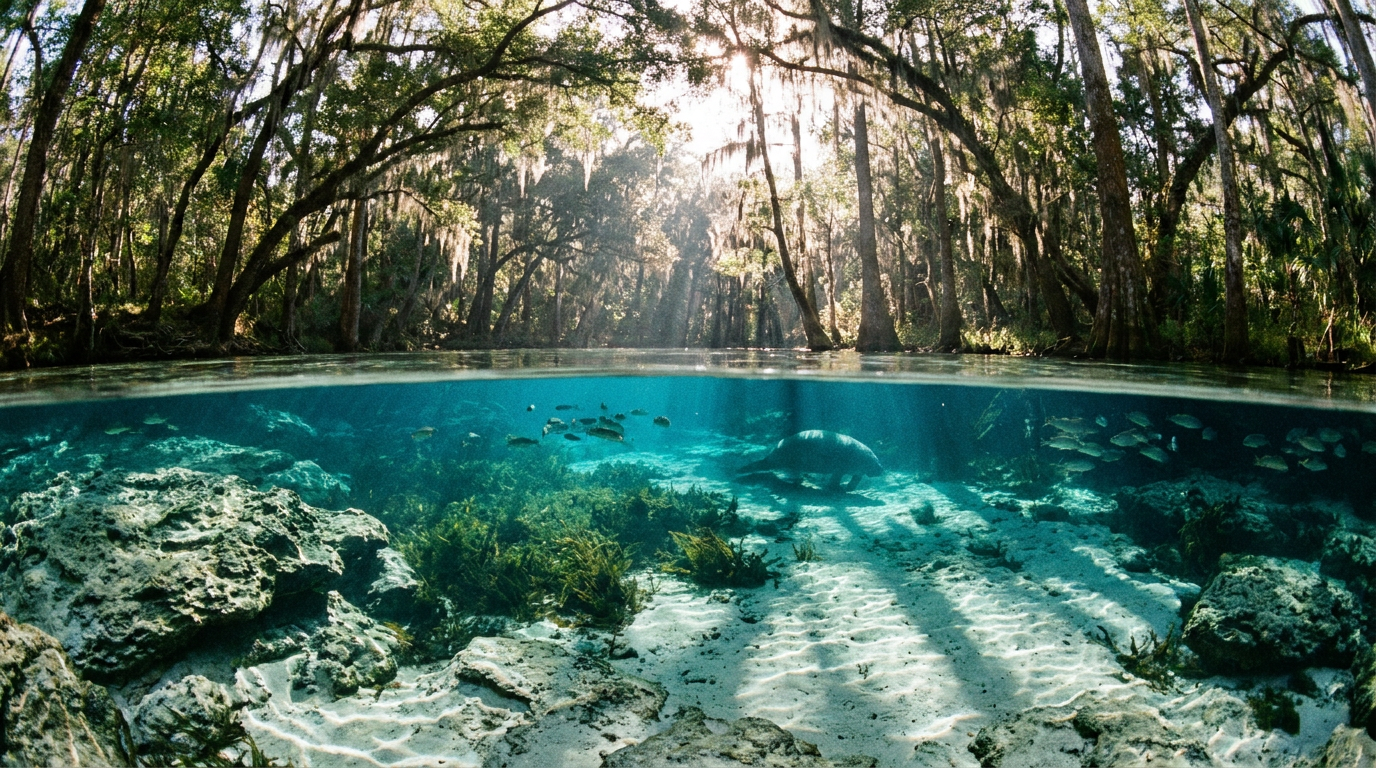
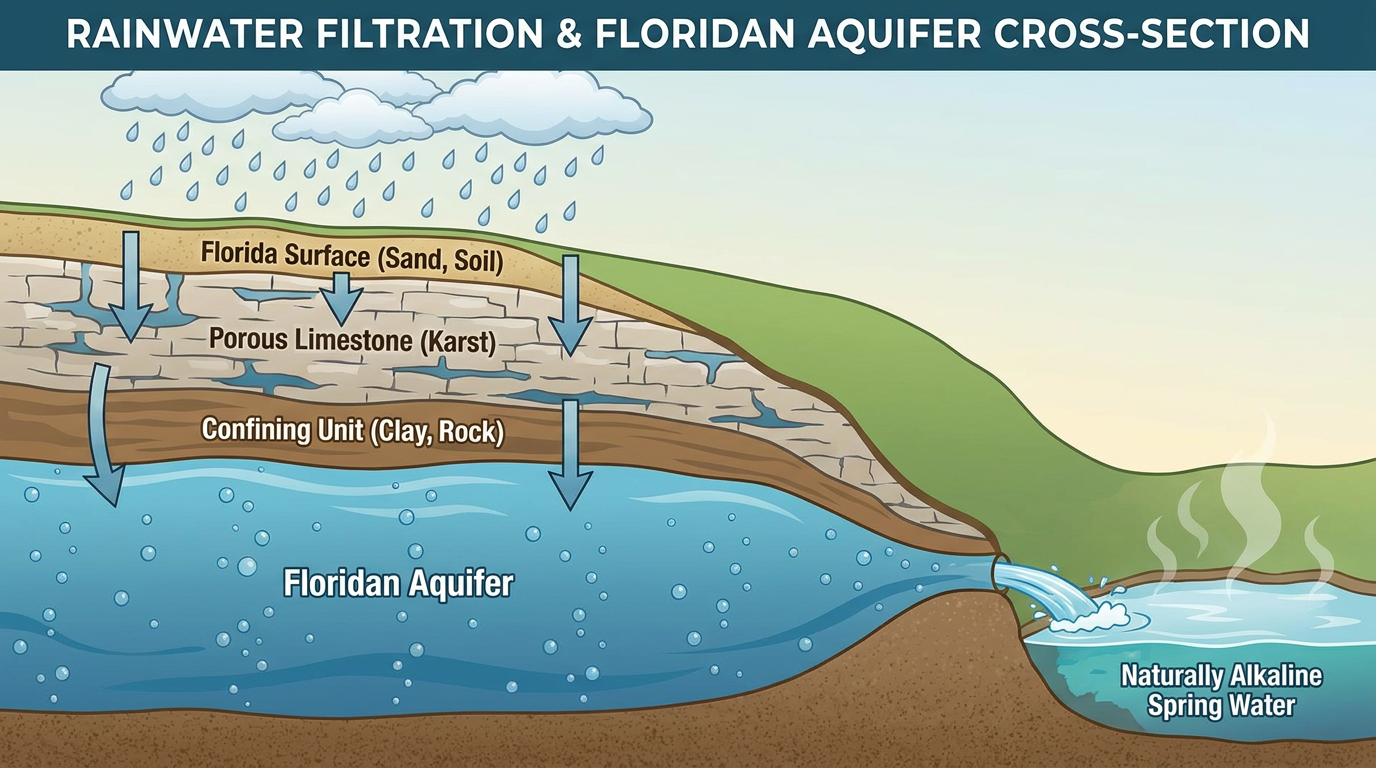
Natural alkalinity works on an entirely different timescale. As rainwater seeps slowly down through porous limestone rock, sometimes over centuries , it picks up dissolved minerals like calcium and magnesium along the way. By the time that water reaches an aquifer, it has already been naturally buffered and balanced by the rock itself. No machines. No additives. No recipe. Just geology doing what geology has done since long before bottled water was a category.
Here’s the blunt, no-BS part: a pH strip can’t tell you how water got alkaline. It only tells you that it’s alkaline. Two bottles can both read 8.1 on a test strip, and one could be the product of a factory process while the other is the product of a thousand years of rock filtration. Testing the source, not just the water, is the only way to know the difference.
“Nature’s been making alkaline water in Florida’s limestone aquifers for thousands of years. No machines required.”
This is exactly why Floridian’s story is different. Florida sits on top of the ancient Floridan aquifer system, a massive underground reservoir made of porous limestone and dolomite. As the Southwest Florida Water Management District explains, that limestone composition is precisely what drives natural alkalinity and mineral enrichment as water moves through it. The USGS’s own research on alkalinity backs up the underlying chemistry, alkalinity is fundamentally about buffering capacity from dissolved minerals, not an artificially imposed number. And according to the University of Florida’s research on aquifer recharge, Florida’s limestone bedrock has been filtering water this way for an extraordinarily long time, long enough that “natural” isn’t a marketing word here, it’s a geological fact.
That’s why Floridian’s spring water tests at a consistent 8.1 pH without a single machine or additive touching it. Source. Raw. Unfiltered. Natural. The water simply arrives this way.
Understanding how water becomes alkaline naturally sets up the next obvious question: why does the specific source, in this case, Florida’s own Crystal River aquifer, actually matter to you as a drinker?
Every bottle of Floridian Spring Water traces back to one specific, real place: the Heatherwood Spring in Crystal River, Florida. This isn’t a blended product assembled from multiple sources and standardized in a lab. It’s centuries-old Floridan aquifer water, bottled close to where it emerges from the ground.
That singular sourcing matters more than it might seem at first glance. Because Floridian’s water comes from one consistent natural source rather than a mixed or variable supply chain, the pH doesn’t fluctuate bottle to bottle the way manufactured alkaline waters sometimes can. A factory recipe depends on precise dosing every batch. Geology doesn’t need a recipe, it’s been running the same slow, consistent process for thousands of years, which is why that 8.1 reading holds steady.
There’s also a sustainability story baked into this geography. Water that travels directly from an aquifer to a bottle, without being trucked or shipped cross-country or across borders, inherently involves a shorter, tighter supply chain. Less distance between source and shelf generally means a smaller logistical footprint, a quieter but meaningful advantage of being “bottled at the source” rather than bottled far from it. National Geographic’s coverage of the Floridan Aquifer underscores just how significant this aquifer system is, not just to bottled water, but to the broader ecological and economic life of the state. For readers who want the deep technical dive, the USGS’s full hydrogeologic atlas of the Floridan Aquifer System breaks down the limestone and dolomite formations layer by layer.
It’s worth repeating: the mineral content matters as much as the pH number. Calcium, magnesium, and other naturally occurring minerals don’t just nudge the pH upward, they shape the actual taste and mouthfeel of the water. That’s the difference between a lab engineering a pH level and the earth creating one, slowly, over centuries, without anyone asking it to.
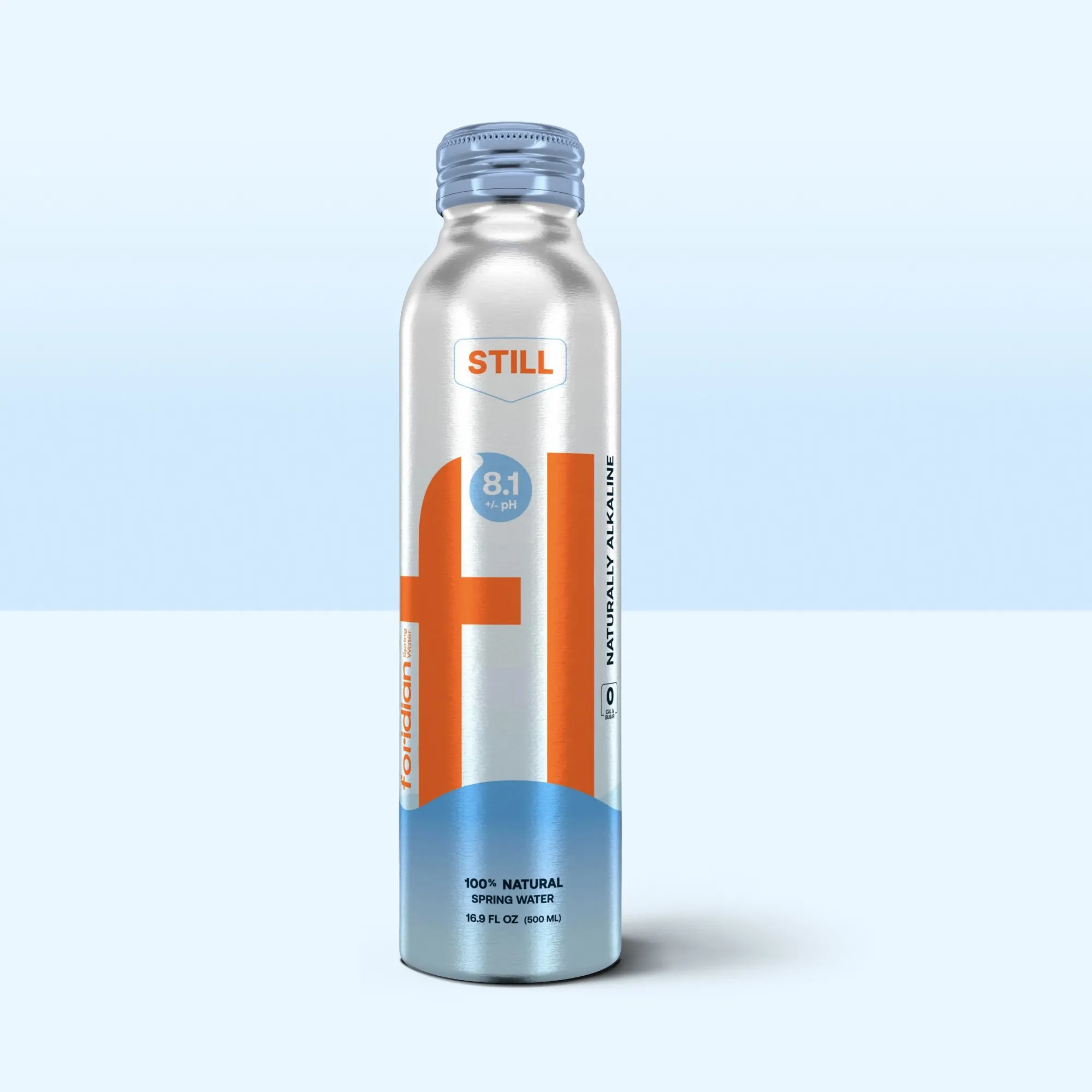
This is the heart of what “Florida Unfiltered” means as a brand idea, naturally enriched water, bottled at the source, with nothing standing between the aquifer and the cap. If you’re curious how this compares to what’s coming out of your kitchen tap, that’s a deeper rabbit hole worth exploring in a future look at Spring Water vs. Tap Water, and for readers who want the full provenance story, Why Florida’s Aquifers Make Different Water digs even further into the geology behind the bottle.
Now that the “where it comes from” question is settled, let’s get honest about the “what does it actually do for me” question, because that’s where most marketing goes off the rails.
Let’s address this directly, because it’s the question everyone actually wants answered: is alkaline water good for you, and what does alkaline water do that regular water doesn’t?
Here’s the honest version. For most healthy people living active Florida lives, workouts before sunrise, long days on the boat, humid afternoons that make hydration non-negotiable, staying properly hydrated with clean water is genuinely beneficial. Naturally alkaline, mineral-rich water doesn’t rewrite that basic truth. What it can do is make the experience of drinking enough water throughout the day a little easier, because of two real, tangible factors: taste and composition.
Naturally occurring minerals like calcium and magnesium tend to soften water’s flavor profile compared to flat, mineral-stripped water. Water that tastes smoother and more pleasant is water people are simply more likely to actually drink — consistently, not just when they remember to. That’s not a medical claim; it’s basic human behavior. If hydration is the goal, and taste is a barrier, then naturally balanced, mineral-rich water removing that barrier is a legitimate, practical advantage.
We’re also not going to pretend plain water is somehow inferior. Mayo Clinic has been clear and consistent that for most healthy people, drinking plain water remains an entirely effective way to stay properly hydrated. That’s not a knock against alkaline water — it’s just the truth, and the truth is the whole point of this guide. Healthline’s broader review of alkaline water research echoes the same measured take: the benefits are real but modest, rooted in hydration quality and mineral content rather than miracle outcomes.
“We’re not going to tell you alkaline water cures anything. We’re going to tell you the truth: it’s clean, it’s balanced, and it comes straight from the Florida ground. That’s it. That’s the pitch.”
Floridian isn’t trying to position itself as “better than water.” It is water, just naturally balanced, mineral-rich, and unfiltered from a source that’s been doing this work since long before bottling was ever a business. Clean. Pure. Enriched by geology, not a factory. That’s the entire, honest pitch, and frankly, it’s a better one than most of the overpromising alternatives on the shelf.
With the real, grounded benefits laid out plainly, let’s turn that knowledge into something you can actually use the next time you’re standing in front of a cooler deciding what to grab.
Knowing the science is one thing. Using it the next time you’re at Publix, packing a gym bag, or loading the boat cooler before a sunrise fishing run is another. Here’s a simple, practical checklist for cutting through alkaline water marketing in the real world:
For the Florida Active reader, the one hydrating before and after workouts, grinding through long days on the water chasing reds and snook, or just trying to stay ahead of the heat on a Tuesday afternoon, this checklist translates directly into better choices at the shelf. Reading a label for source and natural pH matters infinitely more than chasing whatever number looks most impressive in bold font.
This is where Floridian’s 8.1 pH, Crystal River-sourced water earns its place as the simple, transparent choice. No gimmicks. No electrolysis machine humming in a factory somewhere out of state. Just geology, bottled close to home, and for Florida-based readers, that proximity also means free shipping and a shorter trip from spring to doorstep. It’s a straightforward way to support a Florida-sourced, Florida-shipped product while keeping the whole supply chain tight and the water genuinely fresh. Taste Florida Unfiltered, and the difference tends to speak for itself.
Armed with a practical way to evaluate any bottle on the shelf, let’s close out the lingering questions , the ones people type into Google at 11 p.m. wondering if they’ve been overpaying for flavored tap water this whole time.
Is alkaline water good for you?
For most healthy people, staying hydrated with any clean water is beneficial. Naturally alkaline, mineral-rich water simply offers a smoother taste and balanced composition without added chemicals, a quality upgrade, not a medical cure.
What does alkaline water do?
It offers water with a pH above 7, typically balanced by natural minerals like calcium and magnesium, which can make hydration more palatable, especially for active lifestyles spent outdoors or training in Florida’s heat.
How is alkaline water different from regular water?
Regular tap water is usually close to neutral at pH 7, while alkaline water sits above 7. The real difference isn’t just the number — it’s whether that higher pH comes naturally from mineral-rich rock or is added artificially through machines or chemical additives.
Is natural alkaline water better than artificially alkalized water?
Natural alkaline water gains its pH and mineral content through geology over centuries, while artificial alkaline water is created instantly via machines or additives. Both can reach similar pH readings, but the source, process, and mineral makeup are genuinely different.
Why is Floridian Spring Water naturally alkaline?
Because it’s sourced from the Heatherwood Spring in Crystal River, filtered through centuries-old Floridan limestone aquifers that naturally raise pH to a consistent 8.1, without any processing, machines, or additives involved. As WebMD’s own overview of alkaline water notes, source and mineral content are exactly the details worth paying attention to.
The honest answer to “what is alkaline water” was never actually complicated. It just required a source willing to be straight about where the water comes from and how it got that way.
Here’s the whole guide in two sentences: alkaline water isn’t magic, it’s chemistry, and the best version of that chemistry is the one nature already perfected, centuries before anyone thought to bottle it. No ionizing machine, no powder packet, and no marketing department can replicate what Florida’s limestone aquifers have been quietly doing underground this entire time.
That’s Floridian’s entire differentiator, and it’s not complicated: no machines, no additives, just centuries-old Florida limestone doing what it’s always done, bottled close to its source at Crystal River’s Heatherwood Spring. One hundred percent Floridian water, for Florida, from Florida, because when it comes to something as fundamental as what you drink every day, there really is no place like home.
So stop guessing about water. Stop chasing pH numbers on a shelf without asking where they came from. The straight answer was always available, it just took a brand willing to give it to you without the spin.
Taste Florida Unfiltered. Learn more about Floridian Spring Water, explore the source behind every bottle, and if you’re ready to stop wondering and start tasting the difference, order today, Florida-based readers ship free.